When Kids Fall Apart After School: Restraint Collapse and Dyslexia
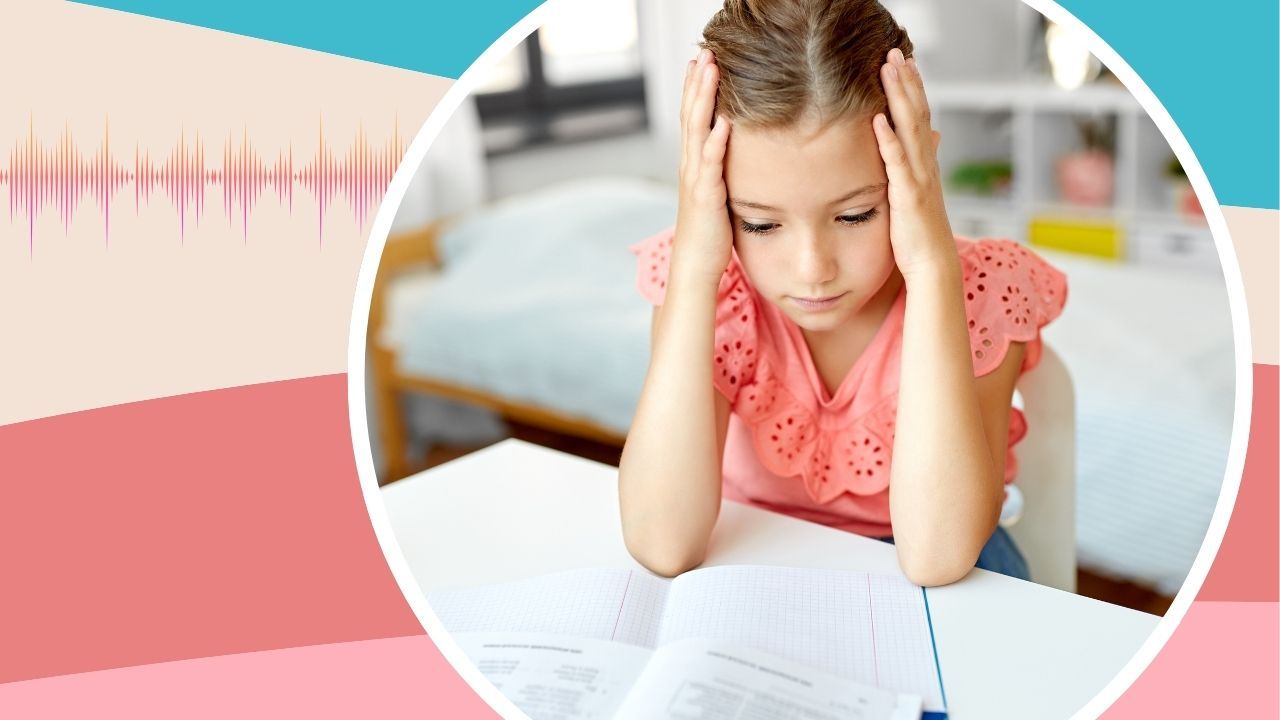
If your child seems completely “fine” at school but melts down the moment they get home, you’re not alone, and you are not doing anything wrong. For many families, the after-school hours are the hardest part of the day. What you are often seeing is not defiance or poor behavior, but something called restraint collapse.
Understanding restraint collapse, especially for kids with dyslexia and other learning differences, can change how we interpret after-school meltdowns and help both families and teachers respond with greater compassion and clarity.
What Is Restraint Collapse?
Restraint collapse occurs when a child spends the entire school day holding it together academically, emotionally, and socially, and then releases all of that pent-up effort once they arrive in their safest place, which is home.
Families at home might notice:
- Big meltdowns, crying, or irritability
- Explosive reactions over small things
- Statements like “I’m stupid” or “I hate school”
- Clinginess, withdrawal, or total shutdown
It’s important to remind yourself that this is not bad behavior, manipulation, or a parenting failure—it’s a sign your child feels safest with you. Often, home is where the mask comes off.
(Teachers: this is often what families are trying to explain when they say, “They fall apart at home.”)
Why Restraint Collapse Is So Common in Kids with Dyslexia
Children with dyslexia often carry a much heavier load during the school day, even when things look “fine” on the surface.
They’re managing:
- Academic load: Reading, spelling, and writing require significantly more effort, even when they’re successful
- Emotional load: Fear of being called on, embarrassment, or feeling “less than” peers
- Social load: Masking by being the helper, the class clown, the perfectionist, or the ultra-quiet kid
- Sensory and executive load: Noise, transitions, directions, organization, and sustained attention
By the time they come home, their nervous system is tired and looking for a release.
What You Can Do At Home
Try some of these reframes and perspectives at home to help your child through whatever restraint collapse looks like for them.
- Create a “Soft Landing” After School: Try reframing the after-school window as recovery time, not productivity time. Consistency matters more than perfection, and even small shifts can help. Change your greeting; instead of “How was school? Do you have homework?” try “I’m so glad you’re home” or “You worked hard today.” You can also help build a predictable mini-routine to help them switch their mindset. Things like offering a snack and water and allowing 10-20 minutes of decompression time (that might be playing, going outside, or low-demand screen time) before doing homework or reading can help them refresh.
- Name It and Normalize It: Shared language helps kids feel less broken, and helps adults feel less alone. Helpful phrases families can use include:
- “There’s a name for this— it’s called restraint collapse.”
- “Your brain worked really hard today. It makes sense that things feel like too much.”
- “Big feelings coming out at home mean this is your safe place.”
- Connection Before Correction: A dysregulated child cannot problem-solve; the nervous system has to calm first. You can help them do this by lowering your voice, softening your body language, getting down to eye level, and using short, reassuring phrases like “I can see this is really hard,” or “You’re safe. I’m here.”
- Try Tiny Recovery Rituals: Small, repeatable rituals can make a big difference in helping your child feel calm and safe. Aim for simplicity and predictability. Think about:
- Snack + read-aloud for low pressure, high connection
- Five-minute snuggle or quiet time
- Movement bursts like a walk, trampoline, or dancing
- Create a cozy corner with pillows, blankets, fidgets, and favorite books
- Rethinking Homework (Especially Reading): Homework is often the tipping point into collapse. Try observing when meltdowns happen or asking your child whether the workload is reasonable after a demanding day. Maybe you can help pinpoint where they can use support.
- Spotting Strengths in Micro-Moments: During the school day, kids with dyslexia hear a lot of correction. Home can be the opportunity to notice their effort with one-sentence affirmations like:
- “I noticed you paused and took a breath.”
- “You kept trying—that’s persistence.”
- “You worked so hard today. That takes courage.”
- Supporting the Adult Nervous System: If you’re tired of thinking that school gets the best of your child and leaves you with the difficult moods, remember that your calm matters, too (even when it feels difficult to step back). Have a few phrases ready like “You’re safe. I’m with you,” or “We’ll figure this out later.”
Seeking Support
Providing what your child needs can sometimes be best approached using support from your community or your child’s teachers. Consider reaching out if you notice:
- Daily, intense meltdowns that don’t ease
- Self-harm statements
- Big changes in sleep, appetite, or anxiety
- A gut feeling that this is bigger than what you can handle alone
Advocacy language you can use might look like this: “By the time my child gets home, their energy is gone. We’re seeing significant meltdowns after school. Can we adjust homework so it’s meaningful but not overwhelming?”
Remember that asking for help is not failure or making excuses for your child. It’s helping them get what they need from the people around you who care.
Try Something This Week
Restraint collapse is common, understandable, and especially prevalent in kids with dyslexia, and small, predictable supports can make a powerful difference. If you’re not sure where to start, try just one thing this week. Maybe greet your child by telling them “I’m so glad you’re home” and giving them 10 minutes to decompress before doing anything else.
Sometimes, even that small change can be enough to rest the whole evening.
Teaching Tips For The Classroom
If you’re an educator who is looking for ways to support your students through restraint collapse from the classroom, here are a few suggestions:
-
Listen to parent observations and collaborate on shared language and decompression strategies
-
Establish environments that support regulation using thoughtful seating, reducing noise and visual clutter, and setting clear routines and expectations
-
Build in decompression moments during the day
-
Start fresh every day—yesterday’s hard moment doesn’t define today
-
Embed intentional games and low-pressure engagement into lessons
Looking for strategies and resources?
Sign up for our newsletter for news, resources, and freebies delivered straight to your inbox.
We hate SPAM. We will never sell your information, for any reason.
