5 Inspirational Lessons from Deon Butler’s Dyslexia Journey
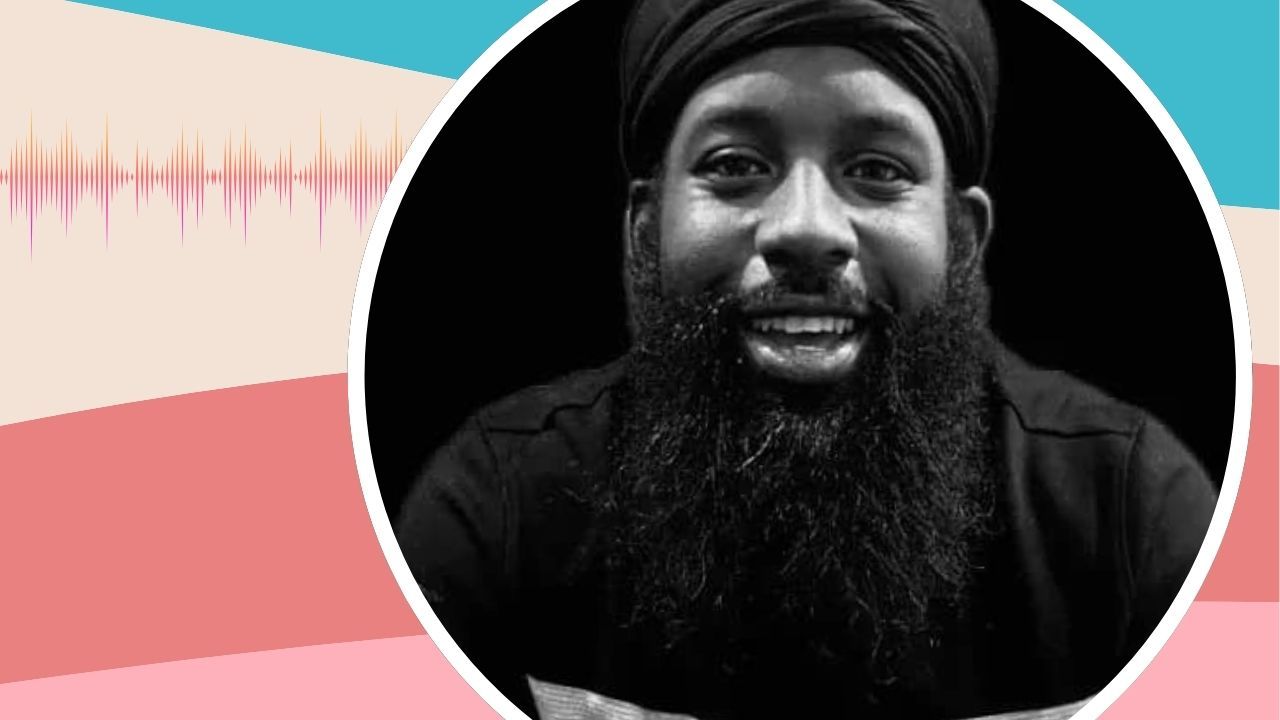
Hearing Deon Butler’s story in episode 5.9 gave us a powerful reminder: reading outcomes are shaped as much by awareness, instruction, and belief as by effort. His journey highlights what happens when students compensate instead of receiving explicit instruction, and what becomes possible when structured literacy enters the picture, even later in life. Here are five takeaways from our conversation to inspire you in the classroom and beyond.
1. Asking for help requires safety, not motivation.
For years, Deon navigated school by compensating. Like many students with undiagnosed dyslexia, he learned to survive academically without understanding why reading felt inaccessible. The shift came in college, when he walked into the disability office and named his struggle.
That moment did not reflect a lack of resilience. It reflected a learning environment where it finally felt safe to ask for help. Once Deon understood that his difficulty was related to reading, not intelligence, everything changed.
“It’s okay to ask for help… I’m not dumb, I’m not stupid. I just needed help reading.”
For educators, this underscores the importance of proactively identifying reading difficulties and normalizing support. Many students do not lack motivation. They lack clarity and permission.
2. Belief sustains students until instruction catches up.
Before Deon had access to appropriate literacy support, his grandmother provided something equally essential: belief. She held firm to his goals and refused to let him disengage from his future.
Her belief did not remove academic barriers, but it kept him moving forward long enough to reach a setting where help was available. That belief functioned as an emotional scaffold.
“My grandma believed in my goals… she didn’t care about a learning disability or my excuses. She believed in me.”
Teachers play a similar role every day. When students experience repeated failure, belief from an adult can be the factor that keeps them engaged rather than withdrawn.
3. Compensatory strategies often mask reading deficits.
In high school, Deon relied on attendance, participation, and reframing questions to get through classes. These strategies helped him meet expectations, but they also concealed the depth of his reading challenges.
From an instructional standpoint, this is a familiar pattern. Students who appear compliant and resourceful may still lack foundational literacy skills. Their problem-solving can be misinterpreted as adequate proficiency.
“As I was growing up, I was developing bad habits and learning how to maneuver without actually learning how to read, like reframing questions when I didn’t know the answer.”
For educators, this reinforces the need for diagnostic assessment and attention to how students arrive at correct answers, not just whether they do.
4. Structured literacy instruction remains effective beyond childhood.
As an adult, Deon began Orton-Gillingham–based instruction and relearned reading from the ground up. He revisited letter-sound relationships, phonemic awareness, and decoding with explicit, systematic teaching.
His experience affirms a key principle of the science of reading: when instruction is structured and explicit, learning is possible at any age. Literacy is not closed off by time; it responds to method.
“Everybody can learn how to read. I don’t care who you are, what level of dyslexia you have. Everybody can learn how to read using the structured science behind reading.”
Deon’s journey validates continued advocacy for evidence-based instruction, especially for older students who may have been overlooked.
5. Literacy instruction shapes generational outcomes.
The most profound impact of Deon’s reading journey emerged when he began reading to his daughter. That moment represented more than personal success. It reflected a shift in what literacy would look like in his family moving forward.
For educators, this is a reminder that teaching a student to read extends beyond the classroom. Literacy influences family dynamics, confidence, and long-term opportunity.
“The best thing I did was to start reading books to my daughter. As a father looking at my daughter and her looking at me, and we have this bond of reading together…nothing came close to that feeling.”
Deon Butler’s story offers a clear message: early identification, structured instruction, and sustained belief matter. When these elements align, reading becomes not just an academic skill, but a tool for lasting change.
Find Deon online on his website, Instagram, and Facebook, and check out his book, The Gift & Curse: One man’s journey with dyslexia.
Looking for strategies and resources?
Sign up for our newsletter for news, resources, and freebies delivered straight to your inbox.
We hate SPAM. We will never sell your information, for any reason.
